Pre-Policy Known Circumstances Bar Product Recall Coverage
By Joe Bermudez, CPI/PRI Expert
A CPI claim showing how a known circumstance exclusion defeated recall coverage at trial and on appeal, extending to follow-form excess layers.
Claim Circumstances
A Pre-Policy Positive Test Precedes a Recall
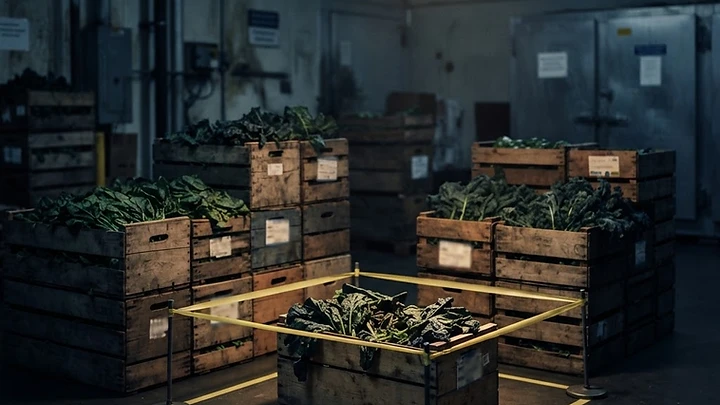
A vegetable grower and processor routinely tested product for pathogens. More than a year before the relevant policy incepted, a lot of produce tested positive for a pathogenic bacteria and was quarantined from sale.
The primary CPI/PRI Insurer issued a product-recall policy providing multimillion-dollar coverage for certain Insured Events, including Accidental Contamination. Two excess CPI/PRI Insurers issued follow-form policies.
During the policy period, a portion of the previously quarantined contaminated produce was inadvertently intermixed with non-contaminated product and shipped to a customer. Upon discovery, the Insured notified regulators, initiated a recall, and was ultimately required to destroy millions of pounds of product.
Coverage Dispute
Insurers Deny on Known Circumstance Grounds
The Insured tendered a claim under the primary and excess CPI/PRI policies for recall-related losses. The Insurers denied coverage, citing among other grounds a known circumstance exclusion in the primary policy.
The policy covered Loss arising from an Insured Event, defined to include accidental contamination of insured products. Coverage was available only when the Insured “first discovered” the Insured Event during the policy period. The relevant exclusion provided that the policy does not apply to any loss, damage, claim, cost, or expense caused by, arising from, or attributable to: “[A]n INSURED EVENT or any circumstance that could give rise to an INSURED EVENT that is discovered, known by or should reasonably have been known by the INSURED prior to the inception of the Policy Period.”
Analysis and Resolution
Quarantined Product Is a Known Circumstance
The primary CPI/PRI Insurer moved to dismiss the Insured’s coverage action. The district court granted the motion with prejudice, holding that the pre-policy pathogen-positive, quarantined produce constituted a “circumstance that could give rise to an insured event.” The court observed that the Insured stored contaminated product separately, creating an ongoing risk of cross-contamination, the precise risk that later materialized. The term “circumstance” was broad but unambiguous, and the exclusion clearly applied.
Because the exclusion barred coverage under the primary CPI/PRI policy, the follow-form CPI/PRI excess policies likewise provided no coverage. The court declined to reach the Insurers’ alternative argument that the Insured did not “first discover” the Insured Event during the policy period, and amendment of the complaint was deemed futile.
On appeal, the Insured argued for the first time that the exclusion was ambiguous. The appellate court held that the argument had been forfeited, because in the district court the Insured had not meaningfully addressed the meaning or application of the exclusion, focusing instead on the scope of materials the court could consider on a motion to dismiss. The appellate court further found no reversible error in the district court’s consideration of the pre-policy quarantine date, which was undisputed and central to the exclusion’s application. The judgment was affirmed.
Outcome
Coverage denied in full and affirmed on appeal. The pre-policy positive test and quarantine were a known circumstance that could give rise to an Insured Event, and the follow-form excess policies provided no recovery.
Takeaway for CPI/PRI Claim Professionals
Reconstruct the Pre-Inception Knowledge Timeline
Known Circumstance Exclusions are narrowly applied. A documented pre-inception positive pathogen test and quarantine can constitute a “circumstance that could give rise to an insured event,” even when the contaminated product was supposedly isolated.
Cross-contamination risk is foreseeable once contamination is known. Courts recognize the ongoing operational risk that quarantined product may later enter the stream of commerce.
Underwriting and disclosure matter. Insureds with prior contamination events or positive test results should expect heightened scrutiny, and full disclosure during underwriting is essential.
Follow-form excess policies track primary exclusions. Once coverage is excluded under the primary policy, follow-form excess layers typically provide no recovery.
Preserve arguments. Challenges to the clarity or ambiguity of exclusionary language must be raised at the trial-court level; failure to do so can result in forfeiture on appeal.
Focus the claims investigation. When evaluating recall claims, carefully reconstruct the timeline of the insured’s knowledge of any pre-policy positive tests, quarantines, or related circumstances.
This decision reinforces the critical importance of precise prior-knowledge wording in CPI/PRI policies and of rigorous underwriting and claims processes that identify known or reasonably knowable contamination risks before inception.
Disclaimer
Outcomes depend on specific policy wording, claim circumstances, and applicable law. The information provided is for educational purposes and does not constitute legal or insurance advice. Consult qualified professionals for specific coverage questions.
More case studies
View all
Temperature Abuse During Storage: Does Accidental Contamination Reach the Warehouse?
A 1.58-million-pound Class I recall traced to a warehouse cooling-system failure put the Accidental Contamination trigger to the test, turning on whether “storage” falls within the defined activities of production, preparation, manufacture, packaging, or distribution.


Distinguishing Design Defect from Manufacturing Error in a CPI Claim
When over-fortification triggered a recall, the Insured asserted three Insured Events. Targeted review of formulation documents, testing protocols, and multi-site production evidence showed a design-level failure, not a manufacturing error, and a design exclusion that applied across every asserted trigger.


Prior Knowledge, Application Representations, and the Limits of Adverse Publicity Coverage
When a published FDA Warning Letter drove an Adverse Publicity claim, targeted review of the application, pre-inception inspection history, and precise policy definitions showed prior knowledge, inadequate disclosure, and no triggered Insured Event, supporting denial without payment.

